Carpal Tunnel Pain Relief: Can Shockwave Therapy Help Restore Function?
Shockwave Therapy is a non-invasive treatment that may help reduce pain and improve hand function in people with carpal tunnel syndrome. By delivering targeted acoustic waves into irritated tissues, Shockwave Therapy can stimulate circulation, support tissue repair, and reduce inflammation around the compressed nerve. Many patients explore Shockwave Therapy as a conservative option for relieving wrist pain and restoring normal hand movement.
Carpal tunnel syndrome is one of the most common conditions affecting the hands and wrists. It can cause persistent numbness, tingling, weakness, and pain that interfere with everyday activities like typing, gripping objects, or even holding a phone.
As more people search for non-surgical treatment options, Shockwave Therapy has gained attention for its ability to stimulate natural healing in damaged or inflamed tissues. This modern therapy uses acoustic waves to encourage circulation and tissue repair, helping address underlying causes of pain rather than simply masking symptoms.
For individuals experiencing ongoing wrist discomfort or reduced hand function, understanding how Shockwave Therapy works may provide insight into new approaches for managing carpal tunnel symptoms and restoring daily mobility.
What Causes Carpal Tunnel Syndrome and Why Does It Lead to Pain and Numbness?
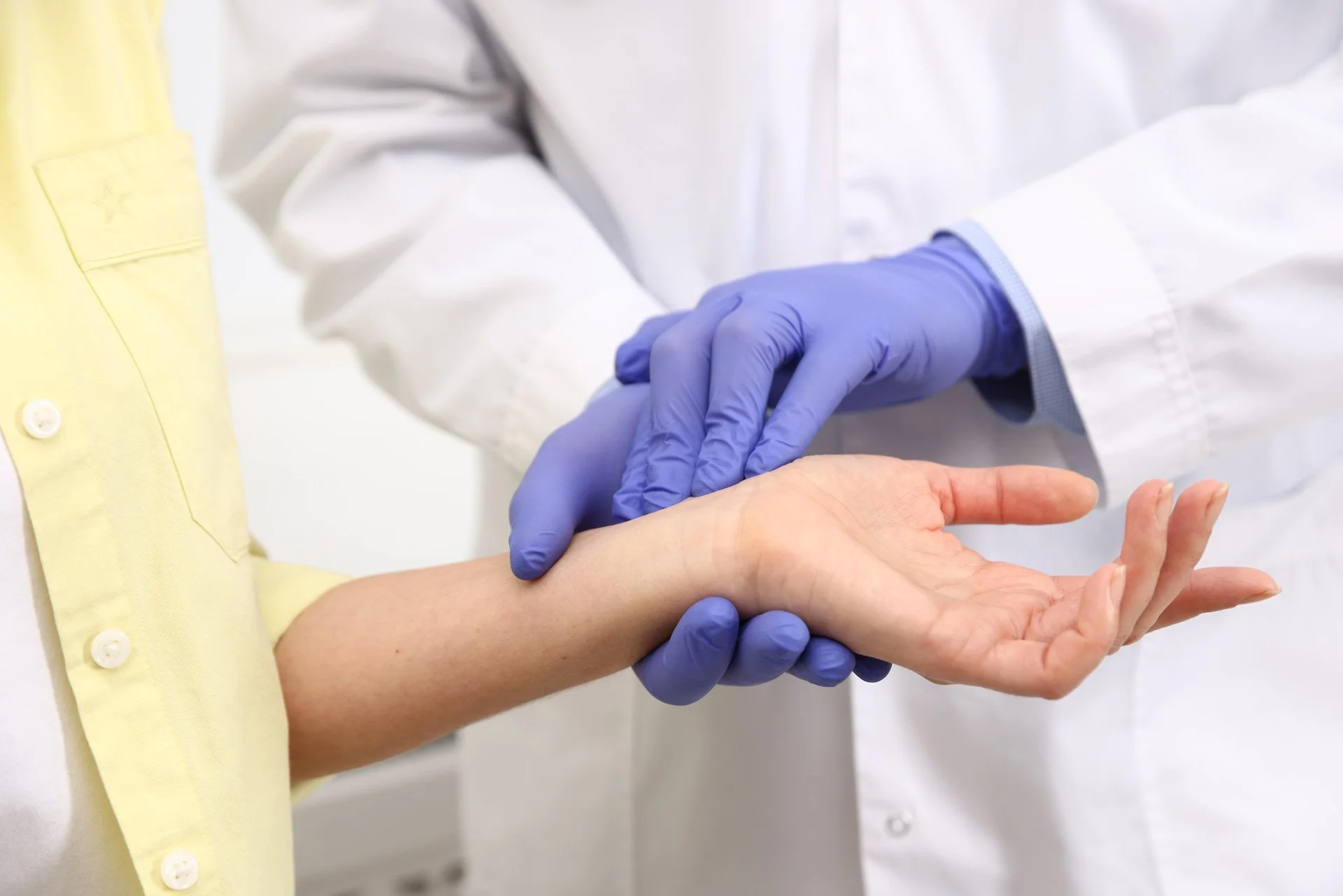
Carpal tunnel syndrome occurs when the median nerve becomes compressed inside the carpal tunnel, a narrow passageway located in the wrist. This tunnel contains tendons and the nerve responsible for sensation and movement in parts of the hand. When swelling or irritation develops in this area, pressure increases inside the tunnel and begins to affect nerve function.
The median nerve controls sensation in the thumb, index finger, middle finger, and part of the ring finger. It also helps coordinate small muscle movements in the hand. When compression occurs, patients often experience symptoms such as tingling, numbness, burning sensations, weakness, or reduced grip strength.
Repetitive wrist movements are one of the most common contributing factors. Jobs that require frequent typing, tool use, or repetitive hand motions can slowly irritate the tendons and soft tissues in the wrist. Over time, this irritation leads to inflammation and swelling inside the carpal tunnel.
Several health conditions can also increase the risk of carpal tunnel syndrome. Arthritis, diabetes, thyroid disorders, and pregnancy-related fluid retention may all influence tissue swelling or nerve sensitivity.
Many patients first notice symptoms at night, often waking with numb or painful hands. As the condition progresses, everyday tasks such as buttoning clothing, holding objects, or writing may become more difficult.
Because untreated nerve compression can worsen over time, many individuals begin looking for conservative therapies early. Treatments like Shockwave Therapy are increasingly explored as part of non-invasive strategies to relieve pressure around the nerve and restore normal function.
Related: What Is Causing Your Knee Pain? Treatment Options Available in Honolulu
How Does Shockwave Therapy Work for Nerve and Soft Tissue Conditions?
Shockwave Therapy uses controlled acoustic waves that travel through soft tissues to stimulate biological healing responses. This technology has been widely used in musculoskeletal medicine to help treat chronic pain and tissue injuries.
When Shockwave Therapy is applied to an affected area, the acoustic pulses create micro-stimulation inside the tissues. This stimulation encourages increased blood flow, which helps deliver oxygen and nutrients necessary for healing.
The therapy also activates cellular repair processes. Growth factors and regenerative signals are released in response to the acoustic waves, encouraging damaged tissues to repair themselves more effectively. These responses are especially beneficial in areas where circulation has been limited or inflammation has become chronic.
In cases of carpal tunnel syndrome, tissues surrounding the median nerve may become inflamed or irritated. Shockwave Therapy can help stimulate recovery within these structures, reducing swelling and improving tissue health around the nerve pathway.
Another benefit of the therapy is its ability to influence nerve sensitivity. Chronic inflammation can cause nerves to become overly reactive, leading to persistent pain or tingling. By supporting tissue repair and improving circulation, Shockwave Therapy may help calm irritated nerves.
Unlike invasive treatments, Shockwave Therapy is delivered externally using a handheld device. No incisions or injections are required, and treatments are typically completed in short outpatient sessions.
Because the therapy focuses on stimulating the body’s natural healing processes, it has become a valuable option for individuals seeking non-surgical approaches to managing persistent musculoskeletal and nerve-related pain.
Related: Heal Naturally Without Surgery: The Power of SoftWave
Can Shockwave Therapy Reduce Inflammation Around the Carpal Tunnel?
Inflammation plays a central role in the development of carpal tunnel syndrome. When tendons or surrounding tissues become irritated, swelling inside the carpal tunnel can increase pressure on the median nerve. Even minor swelling in this confined space can significantly affect nerve function.
Shockwave Therapy may help address this problem by influencing several biological mechanisms involved in inflammation and tissue recovery.
The acoustic waves generated during treatment stimulate microcirculation within the targeted area. Increased blood flow helps deliver oxygen and nutrients to damaged tissues while removing inflammatory byproducts that contribute to swelling and irritation.
The therapy also encourages the release of regenerative signaling molecules that promote tissue repair. These signals help damaged tendons, ligaments, and connective tissues remodel and recover more efficiently.
As tissues begin to heal and inflammation decreases, pressure inside the carpal tunnel may gradually reduce. This reduction can relieve compression on the median nerve, helping decrease symptoms such as numbness, tingling, and burning sensations in the hand.
Shockwave Therapy may also help normalize nerve sensitivity. Chronic inflammation can cause nerves to become hypersensitive, amplifying pain signals. By improving tissue health and circulation, the therapy may help calm irritated nerve pathways.
For individuals dealing with early or moderate carpal tunnel syndrome, reducing inflammation is often a key step toward restoring comfortable hand function. Shockwave Therapy aims to support this process by encouraging the body’s natural healing responses.
Related: SoftWave Therapy Near Honolulu: What to Expect
Who Is a Good Candidate for Shockwave Therapy for Carpal Tunnel Syndrome?
Shockwave Therapy is often considered by individuals seeking conservative treatment options for wrist and hand pain caused by carpal tunnel syndrome. While not every patient will require this therapy, many people explore it when symptoms persist despite basic treatments.
People who may benefit from Shockwave Therapy often include:
Individuals experiencing persistent wrist pain, numbness, or tingling
People whose symptoms interfere with work, typing, or daily activities
Patients hoping to avoid invasive procedures or surgery
Individuals who have not found enough relief with splints, rest, or exercises
Patients with early to moderate nerve compression rather than severe nerve damage
Early treatment often produces better results because the nerve and surrounding tissues have not yet experienced long-term structural changes. When symptoms have existed for a long time, more advanced medical interventions may be required.
A healthcare professional will typically perform an evaluation to determine whether Shockwave Therapy is appropriate. This may include assessing wrist mobility, identifying areas of tenderness, and reviewing the patient’s symptom history.
Although Shockwave Therapy is widely considered safe, certain medical conditions may require alternative approaches. A personalized evaluation ensures that the therapy is used appropriately and safely.
For many individuals experiencing ongoing wrist discomfort, Shockwave Therapy provides an option that focuses on improving tissue health and reducing nerve irritation without invasive procedures.
Related: How Long Does It Take to See Results from SoftWave Therapy?
What Happens During a Shockwave Therapy Session for Wrist Pain?
A Shockwave Therapy session for carpal tunnel symptoms is designed to be straightforward and efficient. The goal of each treatment is to deliver targeted acoustic waves into the tissues surrounding the wrist to stimulate healing.
The session typically begins with an examination of the wrist and hand. The clinician identifies the regions where inflammation, tenderness, or nerve irritation appear to be most pronounced.
Once the treatment area is located, a conductive gel is applied to the skin. This gel allows the acoustic waves produced by the Shockwave Therapy device to travel effectively through the tissues.
A handheld applicator is then placed over the targeted region. As the device activates, it delivers controlled pulses into the wrist and surrounding structures. Patients often describe the sensation as rhythmic tapping or mild vibrations.
Sessions usually last between five and fifteen minutes depending on the treatment plan. Because the therapy is non-invasive, no anesthesia is required and patients can typically resume normal activities immediately afterward.
Treatment plans often involve several sessions scheduled over a period of weeks. This gradual approach allows the body to respond to the stimulation and begin the repair process.
Over time, improved circulation and tissue recovery may reduce pressure on the median nerve, helping restore better wrist comfort and hand mobility.
What Results Can Patients Expect from Shockwave Therapy for Carpal Tunnel?
Results from Shockwave Therapy vary depending on several factors, including the severity of the condition, the duration of symptoms, and the patient’s overall health. However, many individuals seek treatment with the goal of reducing pain and improving hand function.
As the therapy stimulates circulation and cellular repair processes, tissues around the carpal tunnel may begin to recover. Reduced inflammation can decrease pressure on the median nerve, which may lead to improvements in numbness, tingling, and discomfort.
Some patients notice gradual symptom relief after several sessions, while others experience steady improvement over a longer treatment period. Increased wrist mobility and improved grip strength are common goals as inflammation subsides and tissue function improves.
Shockwave Therapy works best when combined with lifestyle adjustments that reduce strain on the wrist. Ergonomic improvements, stretching exercises, and proper hand positioning during work activities can help prevent recurring irritation.
While the therapy may not replace surgery in severe cases of nerve compression, it offers a promising conservative option for many individuals seeking relief from persistent wrist pain.
By supporting natural healing and reducing inflammation, Shockwave Therapy can help patients move toward improved comfort and restored hand function.
FAQ
Is Shockwave Therapy safe for treating carpal tunnel syndrome?
Shockwave Therapy is generally considered a safe non-invasive treatment when performed by a trained healthcare professional. It works by stimulating natural healing responses in the body.
How long does it take to see results from Shockwave Therapy?
Some patients notice improvements after a few sessions, while others experience gradual changes over several weeks as tissue healing progresses.
Can Shockwave Therapy help avoid carpal tunnel surgery?
For mild to moderate cases, Shockwave Therapy may help reduce symptoms and improve function. Severe nerve compression may still require surgical treatment.
If you are experiencing wrist pain, numbness, or reduced hand function, Shockwave Therapy may be a treatment option worth exploring. Patients in Honolulu, Hawaii and surrounding areas can schedule a consultation at DK Chiropractic to learn more about personalized care.
Dr. Doo Hyun Kwak, DC provides evaluations and treatment plans designed to help address pain, improve mobility, and support long-term recovery. Contact DK Chiropractic today to take the next step toward restoring comfortable hand and wrist function.